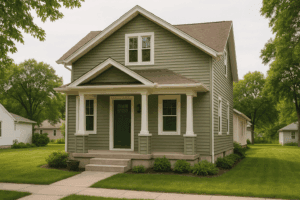
Buying a home is one of the most significant investments you’ll ever make, and asking the right questions can help you make the best decision. Whether you’re browsing homes for sale online, visiting open houses, or speaking with a realtor, preparation is key. Understanding property values, mortgage options, neighborhood dynamics, and inspection reports will ensure you’re not just buying a house—but a place that meets your lifestyle and financial goals. In this guide, we’ll cover the most important questions to ask before purchasing a property, so you can navigate the real estate process with confidence and clarity.
1. What Is My Budget and How Much Can I Really Afford?
Before you even start searching for homes for sale near you, it’s essential to determine your financial boundaries. Many first-time buyers look only at the list price, but there are several additional costs to consider.
- Get pre-approved: Speak with your lender to understand how much you can borrow based on your credit, income, and debt-to-income ratio.
- Consider hidden costs: Property taxes, homeowners insurance, HOA fees, and unexpected maintenance can add up quickly.
- Plan for the future: If you anticipate lifestyle changes—like starting a family or changing jobs—factor those into your affordability calculations.
Your real estate agent can help you filter property listings that fit within your approved loan range so you don’t waste time viewing homes outside your budget.
2. What Should I Know About the Neighborhood and Location?
The house itself isn’t the only thing that matters—the location is equally important. When browsing real estate listings, always research the surrounding area.
- Ask about amenities: Schools, grocery stores, healthcare, and public transport can greatly impact your daily life and long-term property value.
- Check future development plans: A quiet neighborhood today could change drastically if new construction or commercial projects are underway.
- Visit multiple times: Tour the property at different hours of the day to see how traffic, noise, and activity levels change.
Real estate professionals often emphasize “location, location, location” for a reason—a great home in a poor area may not appreciate as well as a modest home in a desirable community.
3. What Is the Condition of the Property?
Even if a home appears perfect from the outside, you should always dig deeper into its structural integrity and maintenance history. A professional inspection is one of the most important steps in the buying process.
- Ask for a disclosure report: This document lists any known problems, such as roof damage, plumbing issues, or foundation cracks.
- Schedule a thorough home inspection: A qualified inspector will evaluate systems such as electrical, plumbing, HVAC, and roofing.
- Estimate future repair costs: Knowing what may need replacement soon helps you plan your budget more accurately.
Your realtor can guide you in interpreting inspection results and negotiating repairs or price adjustments if necessary. Remember, small issues can become costly surprises later on.
4. How Does the Local Market Affect My Purchase?
Every city—and even neighborhood—has its own real estate trends. Understanding these dynamics helps you identify whether it’s a buyer’s or seller’s market and how to approach negotiations.
- Research comparable sales: Look at similar properties that recently sold to gauge a fair market value.
- Monitor time on market: Homes that linger in listings may suggest pricing or demand imbalances.
- Evaluate appreciation potential: Ask your agent for historical data on property values in your target area.
Real estate agents often have exclusive insights into local inventory and MLS data. This information can help you determine if now is the right time to buy or if waiting might benefit your investment.
5. What Are the Terms and Timeline of the Buying Process?
Buying a home involves multiple steps beyond making an offer. Understanding the process and the timeline can help you stay organized and make informed decisions.
- Clarify contingencies: These conditions—like securing financing or passing inspections—protect you during the sale.
- Ask about closing costs: They typically range from 2%–5% of the purchase price and include fees for appraisals, title insurance, and loan origination.
- Understand your escrow period: This is the time between signing the contract and officially owning the home. Knowing this helps you plan your move and financing.
Work closely with your realtor and lender during this stage to make sure all deadlines are met, documents are signed, and funds are ready for closing day.
6. Who Should Be on My Homebuying Team?
Real estate transactions are complex, and having the right team in your corner can make the process smoother and less stressful.
- Real estate agent: A local realtor offers market expertise, negotiates on your behalf, and accesses up-to-date property listings.
- Lender or mortgage broker: Helps you find the most favorable loan options.
- Home inspector and appraiser: Ensure that the property you’re buying is safe and accurately valued.
- Real estate attorney (optional): Useful for reviewing contracts and addressing any legal concerns, especially for first-time buyers.
Having a knowledgeable support team streamlines the entire process and gives you confidence every step of the way—from viewing homes to closing the deal.
Conclusion
Buying a home is more than a financial transaction—it’s a life-changing decision. By asking the right questions about affordability, condition, location, and process, you can approach your purchase with knowledge and confidence. Take time to research, compare real estate listings, and consult trusted professionals before you commit. Whether you’re searching for homes for sale near you or investing in a long-term property, the right preparation will ensure your journey is a positive one. Start your home search today and connect with a local realtor who can guide you every step of the way.

Written by M&N Legacy
Content writer and real estate enthusiast sharing insights on housing